


Setup and Optimize the National Instruments PXI-5441 Waveform Generator
Listen to this blog post here. The National Instruments PXI-5441 is a powerful PXI waveform generator designed...
October 25, 2024







Calibration is an essential part of any test system’s maintenance routine, playing a crucial role in preserving measurement accuracy, ensuring system integrity, and sustaining performance. No matter what industry you work in, calibration is vital for making sure your system is in compliance with established standards and that your entire operation runs smoothly. This post covers the top 5 signs that your equipment needs calibration, as well as how Apex Waves can help.
One of the most immediately recognizable signs that calibration is needed is when multiple measurements of the same input yield significantly different results. If you have been noticing consistently different results or erratic fluctuations, it is very likely that the calibration has drifted.
These inconsistent readings are especially noticeable when monitoring voltage, current, resistance, or frequency. For example, the internal references that are used by precision DAQ modules gradually deteriorate over time or with exposure to the environment—resulting in drift, noise, or sporadic errors.
Test measurements may start to drift over time due to a variety of reasons, including aging, environmental conditions, and wear and tear. By detecting and correcting these issues as they arise, calibration can restore the hardware to its most accurate state.
The “tolerance level” refers to the highest amount of inaccuracy that is allowed in a measurement, which can vary based on the intended application. Calibrations are all performed against a specific tolerance level. When a measurement is Out of Tolerance (OOT), it means that some calibration points did not meet the required tolerance level.
For example: measuring a known signal (5 V) and repeatedly receiving measurements that are too high or too low (such as 4.7 V or 5.3 V).
Measurement equipment that repeatedly returns values outside of expected or allowed tolerances, especially during function or validation tests, should be calibrated. This will help avoid issues in industries such as aerospace or defense where compliance is critical.
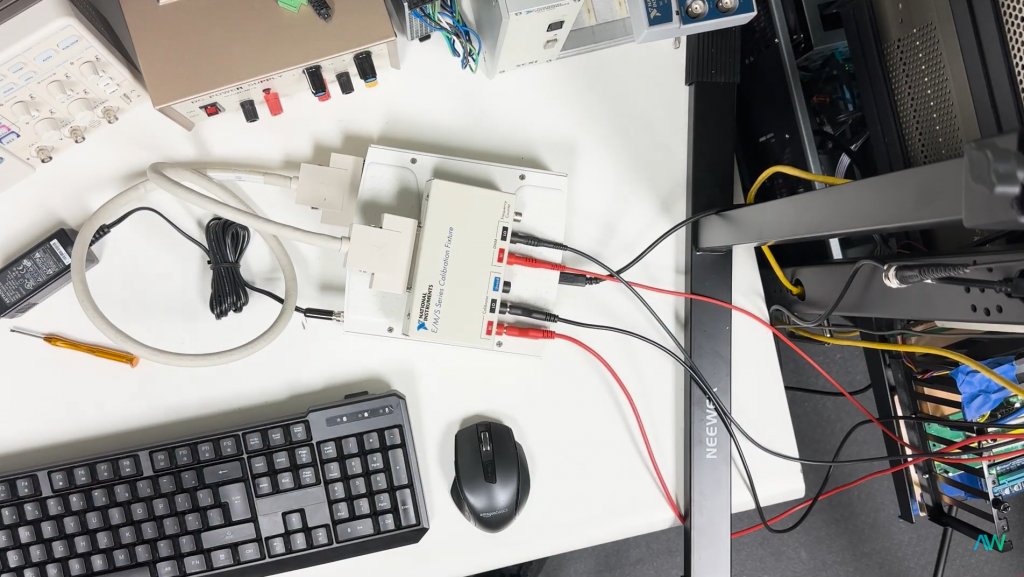
Calibrating your test hardware is not just a helpful suggestion, it is a step that is mandated by government agencies and required by standards set forth by ISO. ISO stands for International Organization for Standardization, which is an international organization that creates consensus-based standards meant to improve and simplify challenges ranging from process management to product manufacturing. Measuring equipment and management systems fall under the guidelines of standards such as ISO 10012:2003 and ISO/IEC 17025.
Even if your hardware seems to be operating well from the outside, internal parts such as analog converters and oscillators can experience drift over time. This is especially true for legacy/older systems.
Standard maintenance cycles recommend annual recalibration. If your equipment has not been recalibrated in over a year, it’s worth getting it checked out.
Moving offices and unsure if it will impact your testing hardware? When test equipment is exposed to unusual conditions, such as transportation or freight shipping, it can cause shifts in the sensitive internal circuitry and components. This can cause misalignment, affecting solder joints or internal signal paths.
If your hardware has been handled roughly or even dropped, recalibration can get everything back into working order.
Don’t take chances if your test equipment is set as a deliverable for a client or regulatory body. Even minor errors caused by miscalibration can quickly turn into major delays, failed results, or potentially even legal liability.
Calibration is also incredibly important before starting any high-stakes measurements to prevent hours of troubleshooting or rejected work. Calibration ensures your equipment performs within manufacturer specifications and industry standards. It’s the foundation of trust in your data—and your results.
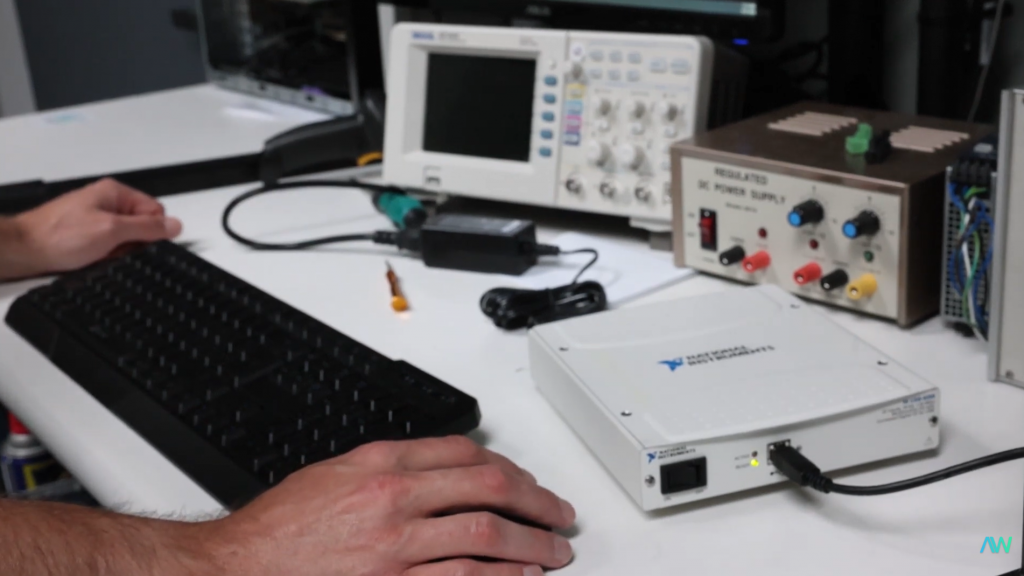
Apex Waves currently offers two calibration service options: basic (unaccredited) calibration performed in-house and NIST accredited calibration through NI. For NIST accredited calibrations, we help reduce wait times for legacy equipment support with a typical turnaround time of just 2-4 weeks. For this option, the lead time is determined based on the calibration complexity and the specific part that is used.
The basic/unaccredited calibration offered by Apex Waves is available upon request when parts are ordered. With this option, our experienced in-house technicians fully calibrate the device to the manufacturer’s specifications prior to shipment.
Once parts reach a certain stage of NI’s Hardware Product Lifecycle, the manufacturer will only provide “reasonable effort” for calibrating them. Apex Waves continues to support these parts in perpetuity! We service parts from any stage of the hardware lifecycle, including legacy hardware.
If you need to get your part(s) calibrated and want to avoid lengthy wait times, reach out to us today! Learn more about our services here and reach out to support@apexwaves.com to get in touch.
A monthly email packed with valuable content—industry news, tutorials, obsolescence updates, and more. No sales pitches, just insights we think you'll find helpful!
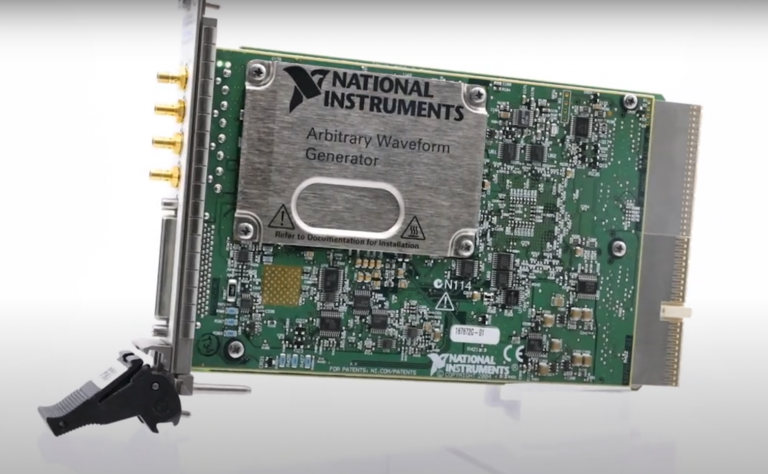
Listen to this blog post here. The National Instruments PXI-5441 is a powerful PXI waveform generator designed...
Click here to listen to this post. Companies in almost every industry are being transformed...
Listen to this post here. The PXIe Platform from National Instruments offers an incredibly valuable toolset for...

Click here to listen to this post instead. It is no secret that simulation and...