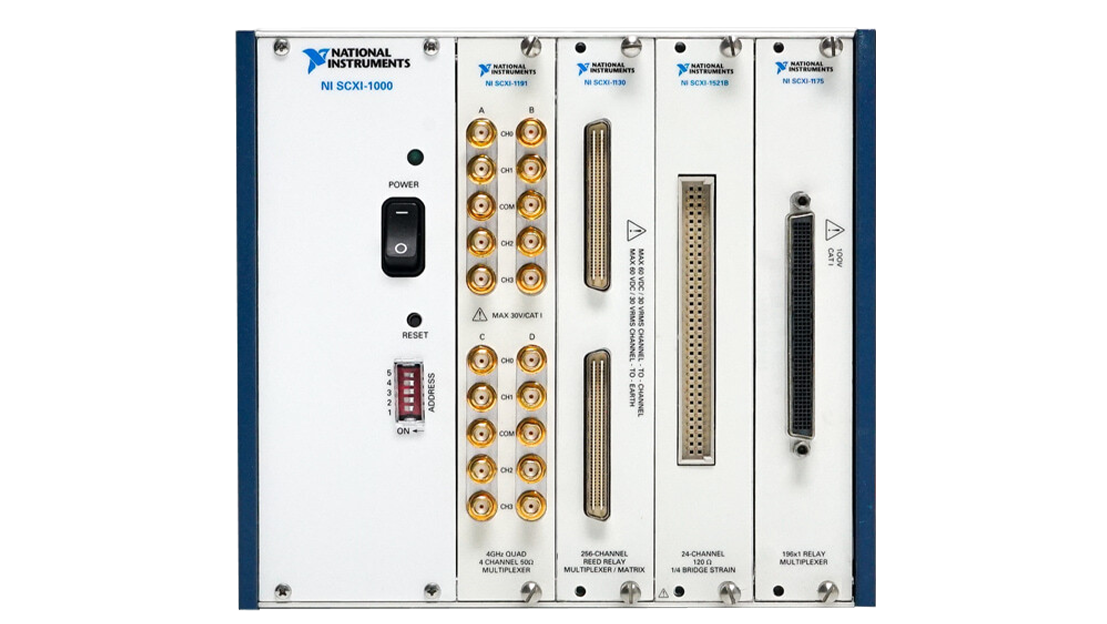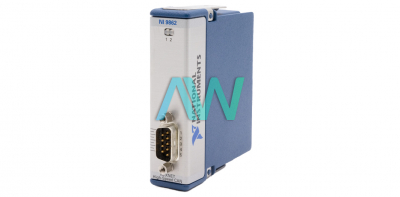
NI-9862
PCI CAN Interfaces
- NI-9862 NI CAN Interface Module with 9-Pin Male DSUB Connector
In Stock | Ships Today
Buy NI CAN bus interfaces and National Instruments CAN hardware for automotive, embedded, industrial, and diagnostic applications.

Browse the models highlighted for this page, then request a quote for the exact National Instruments hardware you need.
PCI CAN Interfaces
Serial Interface Devices
PXI-CAN Interface Series
PCI CAN Interfaces
Serial Interface Devices
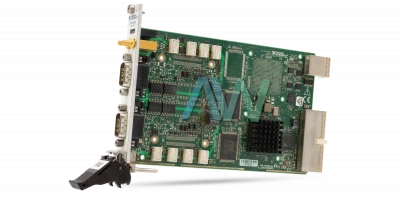
PXI-CAN Interface Series
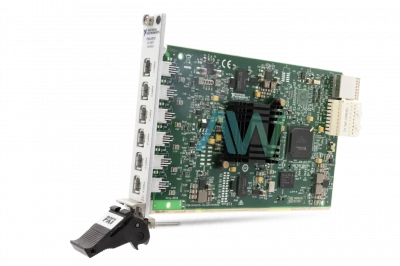
Serial Interface Devices
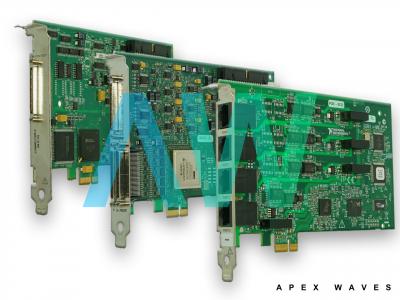
Serial Interface Devices
NI CAN bus interfaces connect test software to Controller Area Network communications, helping engineers observe traffic, transmit messages, and evaluate electronic control units. Rather than measuring a sensor voltage directly, these interfaces exchange digital frames carrying operating values, commands, and diagnostic information. They support applications ranging from vehicle network development and industrial automation to hardware-in-the-loop testing and maintenance of established test systems.
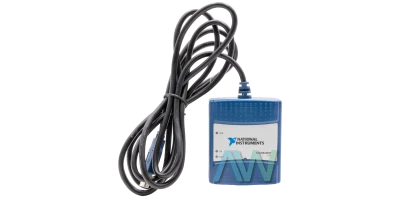
The product range spans legacy NI-CAN hardware and the NI-XNET platform. Within the USB-847x family, the USB-8473, part number 779792-01, provides one high-speed CAN port and uses the NI-CAN frame API. Its monitoring features include listen-only operation and message filtering. For an existing application, retaining the correct driver family can be as important as matching the connector.
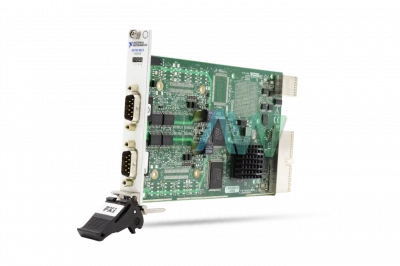
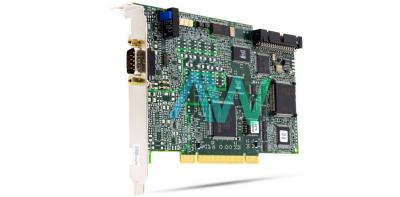
NI-XNET options include the PCI-8512 and PXI-8512, available with one or two high-speed CAN/CAN FD ports. These interfaces suit desktop expansion and modular instrumentation systems, respectively. For example, PXI-8512 part number 780687-02 provides two ports for monitoring separate CAN networks independently. Their device-driven DMA architecture reduces host processing overhead, supporting demanding frame and signal workloads. Hardware timing capabilities help engineers relate network activity to events elsewhere in a test.
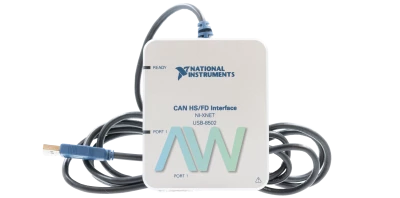
For USB connectivity, the USB-8502 belongs to the USB-850x family and operates through NI-XNET. Part number 784661-01 identifies the one-port version, while 784662-01 identifies the two-port version with synchronization. USB bus power simplifies bench setups without requiring a separate interface power supply. Moving from USB-8473 hardware to USB-8502 nevertheless requires reviewing application compatibility rather than assuming an unchanged software installation will work.
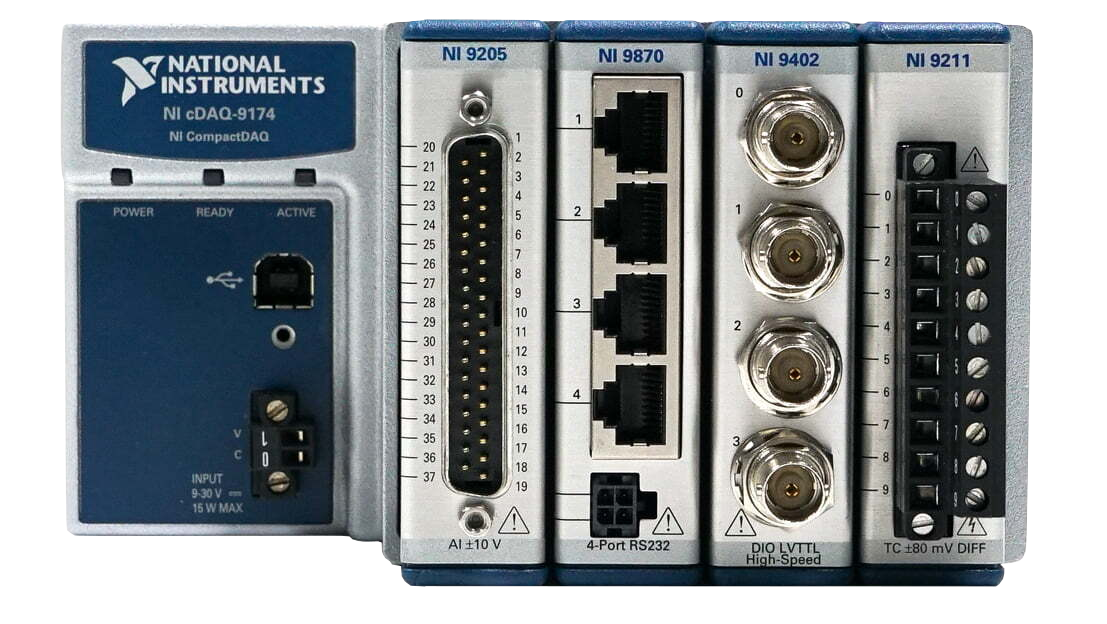
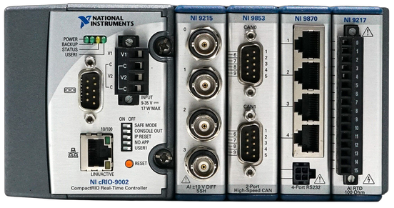
C Series choices bring CAN communications into compatible CompactDAQ and CompactRIO systems. The NI-9862, part number 781639-01, offers one high-speed CAN/CAN FD port. The NI-9860, part number 783703-01, provides two hardware-selectable network ports using external transceiver cables. For high-speed CAN/CAN FD, a TRC-8542 cable supplies the required transceiver. Both modules require appropriate external power; confirm chassis, controller, and driver support before installation.
Protocol selection deserves equal attention. Classical CAN carries up to eight data bytes per frame, while CAN FD supports payloads up to 64 bytes and an optional faster data phase. Low-speed, fault-tolerant CAN is a different physical-layer requirement and should not be treated as interchangeable with high-speed CAN. Cable layout, termination, and bit timing must match the intended network. High-speed networks normally require one 120-ohm termination resistor at each physical bus end.
NI-XNET supports frame-based communication and signal-based workflows using network databases such as DBC files. Correct definitions translate message bits into meaningful engineering values. When requesting NI CAN bus interfaces from Apex Waves, provide the model, part number, port count, software environment, and network requirements to help identify an appropriate replacement or expansion option.
Continue browsing related National Instruments buying pages and hardware groups.
Shop NI DAQ hardware and National Instruments data acquisition devices, including USB, PCI, PXI, PXIe, and CompactDAQ systems.
Browse NI DAQ HardwareShop NI data acquisition systems and National Instruments DAQ systems, including USB DAQ, PCIe DAQ, PXI DAQ, and CompactDAQ hardware.
Browse NI Data Acquisition SystemsShop NI digitizers and National Instruments high-speed digitizer hardware for PXI, PXIe, waveform capture, and automated test systems.
Browse NI DigitizersShop NI FPGA and RIO hardware, including National Instruments CompactRIO, Single-Board RIO, R Series, and FPGA modules.
Browse NI FPGA & RIO HardwareShop NI FPGA hardware and National Instruments FPGA modules, including R Series, PXI FPGA, PXIe FPGA, and reconfigurable I/O hardware.
Browse NI FPGA HardwareBrowse NI modules and cards from National Instruments, including DAQ cards, PXI modules, CompactDAQ modules, CAN interfaces, and digital I/O hardware.
Browse NI Modules & CardsBuy NI PXIe chassis and National Instruments PXIe chassis hardware for high-bandwidth modular test and RF systems.
Browse NI PXIe ChassisBuy NI PXIe controllers and National Instruments PXIe embedded controllers for high-performance modular test systems.
Browse NI PXIe ControllersBuy NI PXIe digitizers and National Instruments PXIe high-speed digitizer hardware for waveform capture and advanced test systems.
Browse NI PXIe DigitizersBuy NI PXIe modules and National Instruments PXIe cards for RF, digitizer, DAQ, SMU, switching, and high-speed test applications.
Browse NI PXIe ModulesBuy NI PXIe oscilloscopes and National Instruments PXIe scope hardware for high-speed waveform capture and automated test systems.
Browse NI PXIe OscilloscopesBuy NI PXIe power supplies and National Instruments PXIe power hardware for modular test systems and PXIe chassis support.
Browse NI PXIe Power SuppliesShop NI PXIe systems, chassis, controllers, and modules. Apex Waves offers tested National Instruments PXIe hardware for high-performance test systems.
Browse NI PXIe SystemsShop NI PXIe vector signal transceivers and National Instruments VST hardware for RF generation, analysis, and wireless testing.
Browse NI PXIe Vector Signal TransceiversBuy NI RF and SDR systems, including National Instruments USRP devices, RF analyzers, VST modules, and software defined radio hardware.
Browse NI RF & SDR SystemsBuy NI RF signal analyzers and National Instruments RF analyzer hardware for spectrum analysis, wireless testing, and PXI RF systems.
Browse NI RF Signal AnalyzersBuy NI strain gauge modules and National Instruments bridge input modules for load cell, force, torque, and structural testing applications.
Browse NI Strain Gauge ModulesBrowse NI test and measurement equipment from National Instruments, including DAQ systems, PXI hardware, oscilloscopes, digitizers, and RF modules.
Browse NI Test & Measurement EquipmentShop NI vector signal transceivers and National Instruments VST hardware for RF generation, analysis, prototyping, and wireless test systems.
Browse NI Vector Signal TransceiversShop used National Instruments equipment and refurbished NI hardware, including DAQ, PXI, PXIe, CompactDAQ, and CompactRIO systems.
Browse Used National Instruments EquipmentQuality processes backed by documented inspection, testing, and fulfillment standards.
Connected to the standards group supporting modular instrumentation platform compatibility and growth.
Each available unit is inspected and tested for dependable operation before shipment.
Our team helps match models, part numbers, replacements, and compatible alternatives.
Explore nearby National Instruments families and related hardware.